
with Duncan Scott
In this podcast episode with Duncan Scott, we explore the unlikely survival of We the Living: its production in Fascist Italy, its suppression and near-destruction, its rediscovery in Italy decades later, the restoration process with Ayn Rand’s involvement, and the stories behind the scenes. It’s a conversation about lost art, political power, and why this film still deserves an audience.
Watch the remastered film trailer.
We the Living
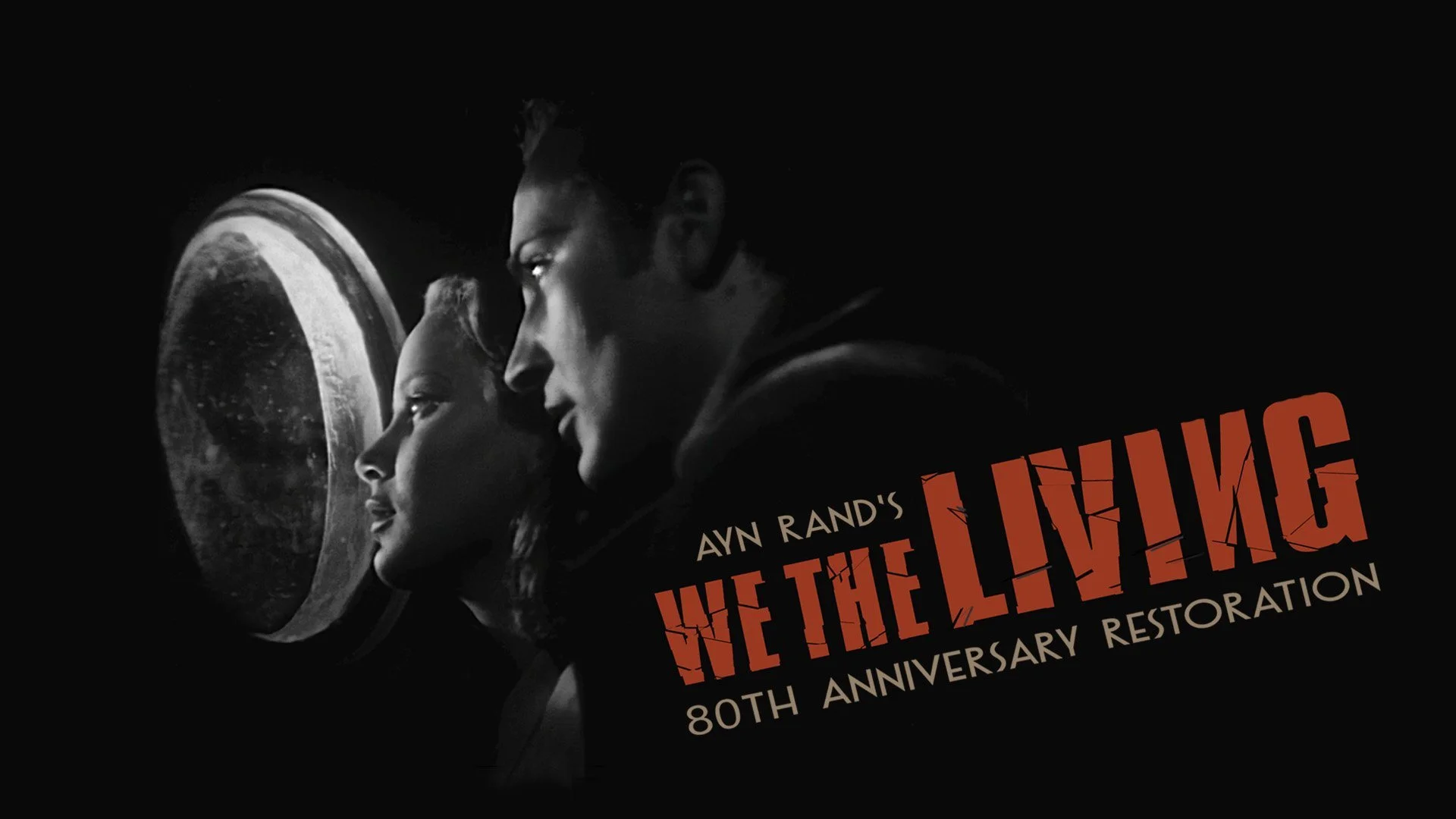
Australian students are invited to enter an essay competition, with thousands of dollars in prize money available for essays exploring ideas from We the Living.
Published in 1936, Ayn Rand’s first novel, We the Living, follows the heroic journey of Kira Argunova in the early years of Soviet Russia. She aspires to a career in engineering, but her aristocratic background poses a threat to her ambitions. Torn between her love for the promising, rebellious Leo, her hard-headed Communist protector, Andrei, and her desperate desire to escape abroad, Kira struggles for physical and spiritual survival under a regime that forbids life to the living.
Join the 2026 We the Living Essay Contest
Essay Word Count:
800 - 1000 words
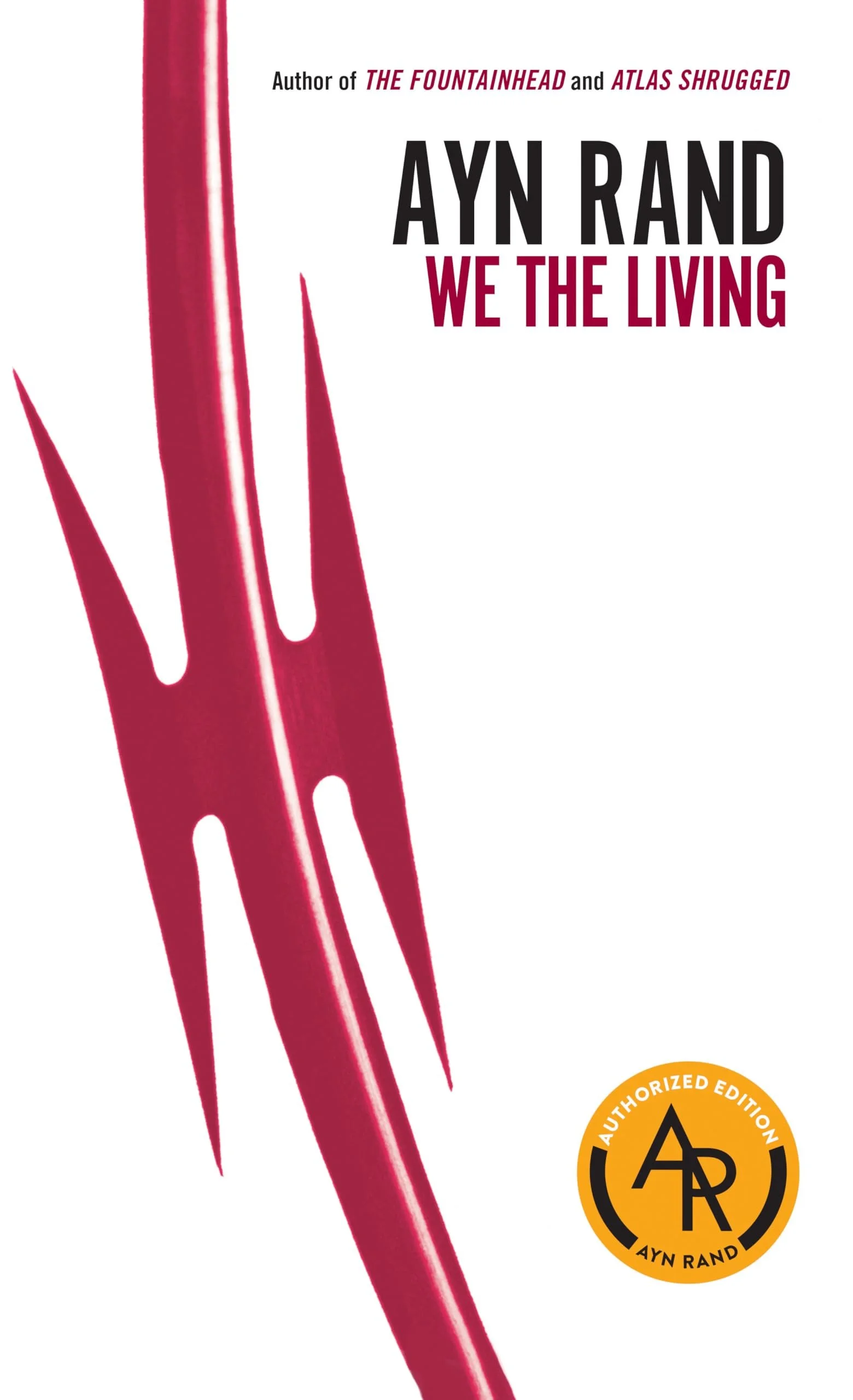
Get the book:
Request a free digital copy of We The Living today.
Buy a physical copy here.
Eligibility:
You must be an Australian citizen/ permanent resident and a high school or university student.
Deadline:
The Australian entry deadline for this year is 30th August 2026. Winners will be announced and invited to the upcoming film premiere.
Prizes:
1st Place - $2,000 AUD
2nd Place - $1,000 AUD
3rd Place - $500 AUD
Submission Fee:
$10 AUD (this fee exists to disincentivise low-effort essays and multiple submissions). Only one submission per student is permitted.
Other Essay Contests:
The Ayn Rand Institute hosts annual essay contests for Atlas Shrugged and The Fountainhead.
Images courtesy of Duncan Scott Productions
© All rights reserved.
“The only hero she had known was a Viking whose story she had read as a child; a Viking whose eyes never looked farther than the point of his sword, but there was no boundary for the point of his sword; a Viking who walked through life, breaking barriers and reaping victories, who walked through ruins while the sun made a crown over his head, but he walked, light and straight, without noticing its weight; a Viking who laughed at kings, who laughed at priests, who looked at heaven only when he bent for a drink over a mountain brook and there, over-shadowing the sky, he saw his own picture; a Viking who lived but for the joy and the wonder and the glory of the god that was himself.”
- Ayn Rand, We the Living.