
Australia's housing crisis is not an instance of capitalism at its worst, but of socialism at its best.
Politicians frequently lament that housing has become unaffordable. This is rather like an arsonist expressing concern about the rising cost of fire extinguishers.
The diagnosis always begins in the wrong place. We are told the problem is greedy landlords, immigrants, negative gearing, foreign investors, markets, or insufficient government spending. Almost nobody points to the fact that if governments make it extraordinarily difficult to build houses, fewer houses will be built.
Remarkably, this prediction came true.
Australia has promised to build 1.2 million homes by 2029. The National Housing Supply and Affordability Council now expects us to miss that target by well over 200,000 homes (one should not doubt their sincerity in making this estimate - one should doubt their competence). Evidently announcing ambitious targets is not itself a recognised construction technique.
The first problem is zoning.
Suppose you own a block of land near a train station in Sydney. Thousands of people would happily pay to live there. Investors are willing to finance apartments. Builders are willing to construct them.
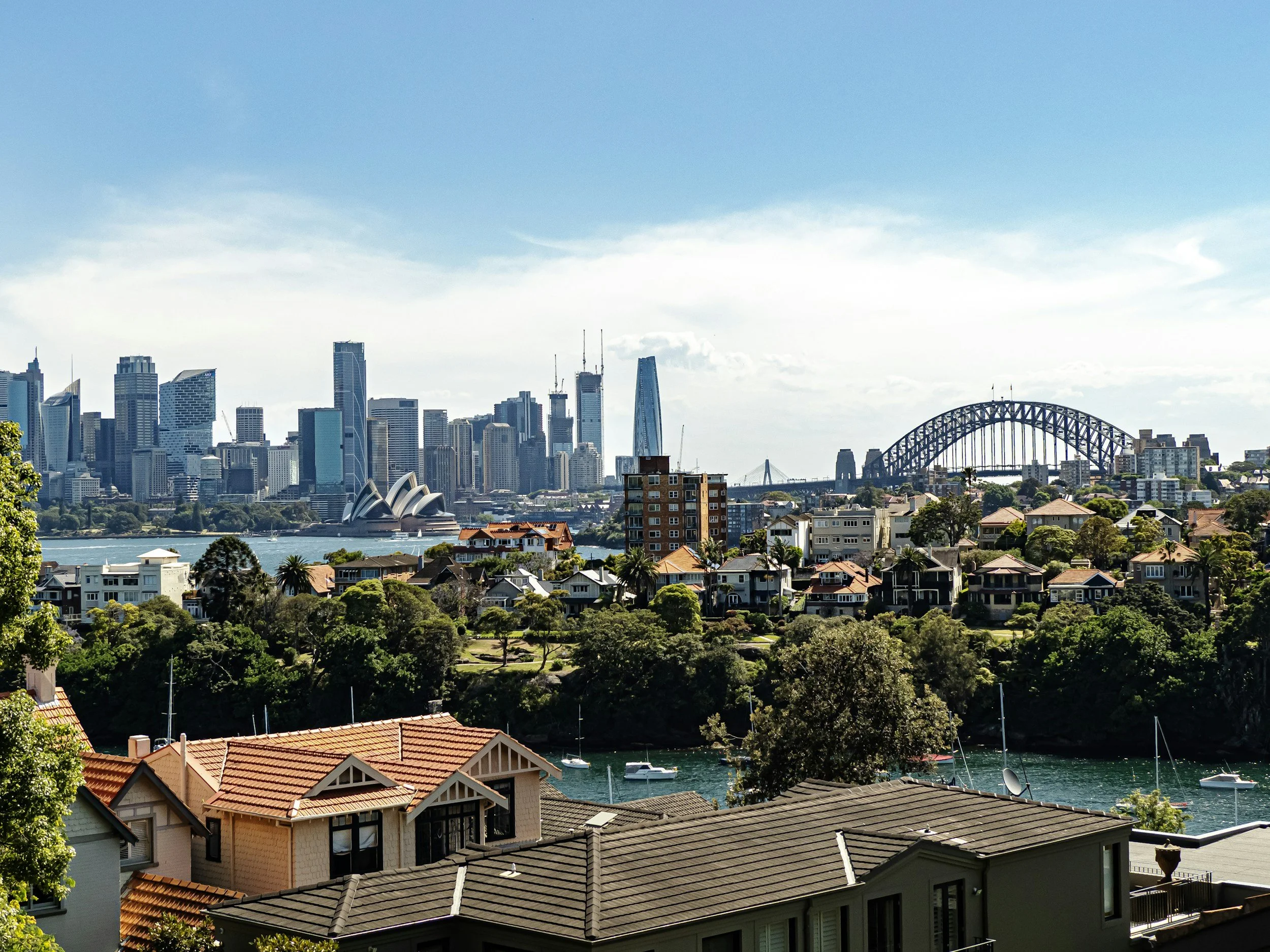
Unfortunately, none of these people are nearly as important as the retired gentleman across the road who purchased his weatherboard cottage in 1983 and has developed an intense moral conviction that nobody should ever again enjoy the opportunities he did, or turn his 180-degree view of the harbour into a 178-degree view. He, and his ilk, are known as "NIMBY" residents ("not in my back yard").
He objects to shadows.
Or "neighbourhood character."
Or increased traffic.
Translated into English, these phrases mean: "I would like the government to prevent you from using your property because I prefer the current view from mine."
The Reserve Bank estimates that zoning restrictions alone have pushed detached house prices roughly 73 per cent above marginal supply cost in Sydney and 69 per cent in Melbourne. It turns out banning people from building houses makes houses expensive. Economics occasionally produces such deceptively predicable results.
The second obstacle is regulation.
The Empire State Building was completed in just over thirteen months.
This achievement was apparently made possible despite workers not first completing mandatory online modules in workplace relations, unconscious bias, environmental sustainability, cultural awareness, psychological safety, modern slavery reporting, and the environmental consequences of incorrectly disposing of a broken air-conditioner for a local endangered species of squid (whose existence, we are told, is critical to preserving "biodiversity").
Australia has somehow acquired cranes, computer modelling, laser surveying, prefabrication, vastly superior engineering knowledge and the internet, yet manages to construct many projects more slowly than people armed with slide rules in 1931.
The Productivity Commission has spent years documenting the obvious: approvals are slow, regulation has multiplied, construction productivity has stagnated for decades, and every additional bureaucratic hurdle increases costs that ultimately appear in the purchase price of a home.
Naturally, having made housing progressively more expensive to build, governments now propose to solve the resulting affordability crisis by giving buyers more money.
This is wonderfully elegant.
Restrict supply.
Increase demand.
Express astonishment when prices rise.
Repeat.
Immigration is the favourite political distraction.
Yes, immigrants increase demand for housing.
So do babies. And they don't work at all. Shall we deport them?
Neither explains why governments prohibit supply from responding.
Austin, Texas has experienced rapid population growth while rents have fallen because builders were largely allowed to do something considered radical in Australia: build apartments.
Developers responded to higher prices by constructing more housing until competition pushed rents down. It is almost as though markets allocate resources according to incentives rather than mandates.
Australia has instead chosen a more sophisticated system.
We prevent anyone from building enough homes.
We then blame immigrants for the shortage we deliberately created.
There is an old saying that insanity consists of repeating the same action while expecting different results. Australian housing policy has improved upon this. We repeat the same failed policies, declare they were insufficiently ambitious, and legislate even more of them.
Housing will become affordable for exactly one reason: because builders are free to build enough housing.
That means abolishing zoning restrictions that artificially suppress density, eliminating licensing and planning obstacles, instituting an "approved unless proven dangerous" policy regarding new builds, and treating property rights as something more substantial than a temporary privilege exercisable until the local council receives a complaint about shadows after 4pm.
The best housing policy is to stop having one. Otherwise known as freedom.